Visual Guide

Understanding the Balanced Plate

The balanced plate method offers a simple way to compose meals that provide variety and satisfaction. Rather than counting or measuring, you use visual proportions as a gentle guide.

This approach respects your individual needs and preferences while encouraging awareness of food variety. It adapts to any cuisine or eating style.

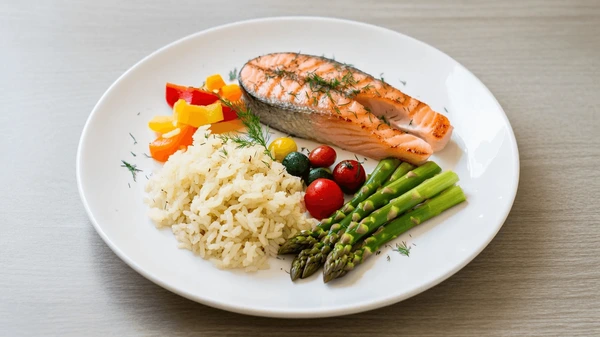
Colorful balanced plate with vegetables, grains, and protein arranged in harmonious portions

Plate Components

A flexible framework for building balanced meals.

1

Vegetables and Greens

Consider filling about half your plate with colorful vegetables. This includes leafy greens, roasted vegetables, salads, or any vegetable preparation you enjoy. A mix of colors can be a simple visual reminder to include variety.

2

Grains and Starches

About a quarter of your plate might include whole grains, potatoes, rice, pasta, or bread. Choose options that you find satisfying and that work with your meal. Whole grain versions offer additional fiber.

3

Protein Sources

The remaining quarter can feature protein-rich foods like legumes, fish, poultry, eggs, tofu, or other options. Including protein sources is a common way to add variety and meal satisfaction.

4

Fats and Finishing Touches

Include modest amounts of oils, nuts, seeds, or avocado. These can add flavor and texture to meals. Herbs, spices, and seasonings enhance enjoyment without adding complexity.

Key Principles

Gentle guidelines for applying this method.

Color Variety

Different colored foods are often grouped together in nutrition education as a simple way to encourage variety over time rather than perfection at every meal.

Flexible Proportions

These are guidelines, not rules. Adjust based on your hunger, activity level, and what foods are available to you.

Enjoyment Matters

Food should be pleasurable. Choose foods you genuinely enjoy eating within this flexible framework.

All content on this website is for general educational and informational purposes only. It is not intended as, and does not constitute, medical advice, diagnosis, or treatment. This website does not provide personalised nutrition or dietetic advice. Individual results may vary. Always consult your GP or another qualified health practitioner before making changes to your diet or lifestyle, especially if you have a medical condition, take medication, or are pregnant or breastfeeding.

Explore More Guides

Continue exploring our free educational content with the macronutrient guide.

View Macro Guide